TL;DR
Banning AI does not work. Catching students does not scale. The fix is to redesign your essay units so student thinking has to happen in front of you. Move drafts into class. Build prompts around specific classroom moments AI cannot access. Grade the process, not just the final draft. Teach students how to use AI as a tutor instead of a ghostwriter. Adjust the scaffolds for the writers in front of you. Pick one shift for your next essay unit and start there.
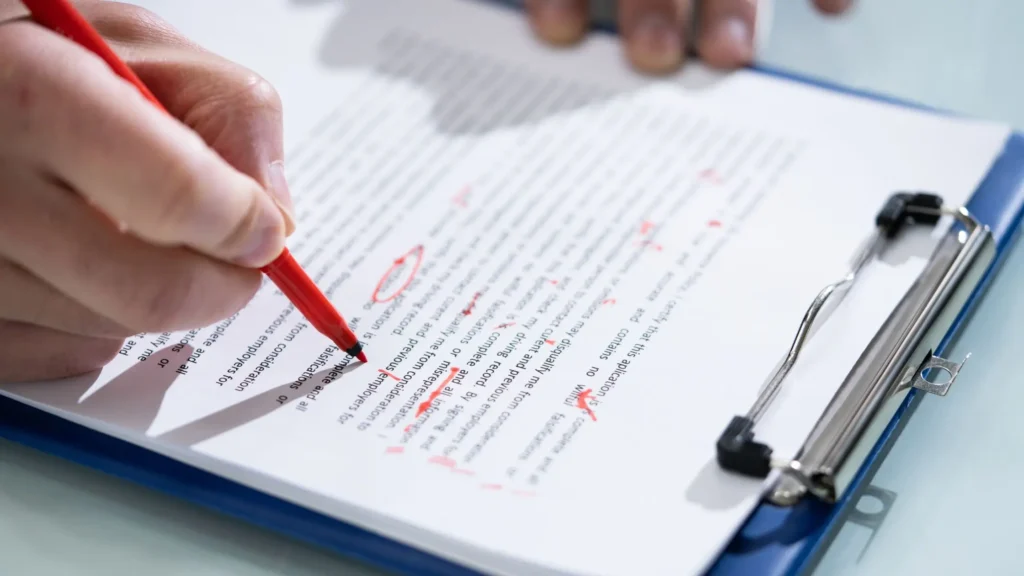
Banning AI does not work. Pretending students are not using it does not work either. If you have taught even one essay unit since generative AI showed up, you already know this. The real question is not how to catch cheating. The question is how to build essays that require student thinking, and how to run the writing process so the thinking happens where you can see it.
That is what this article is about. No panic. No lecture on academic integrity. Just moves you can try on your next essay unit.
Key Takeaways
- In-class drafting protects the thinking. Short, quick drafts, planning days, and revision days done during class give you a real view of student writing skills and cut off the easiest paths to AI-generated content.
- Classroom-anchored prompts do the integrity work for you. When an essay requires your Tuesday discussion, your class concept maps, or your shared annotations, generative AI tools cannot produce a real answer. Students who were present can write it. Students who were not cannot.
- Weight the process, not just the polished draft. Grade outlines, evidence collection, messy first drafts, and short writing conferences. A clean essay with no visible thinking behind it becomes the flag, not the goal.
- Teach AI literacy as part of the writing process. Students need to see the difference between AI as a tutor that supports learning and AI as a ghostwriter that replaces it. Model both. Show them where AI makes writing worse.
- Match the scaffold to the writer. Push Honors and AP students on voice and defense of choices. Give standard students clear starting points. Help struggling writers separate thinking from producing. Let language learners use AI for language support while keeping the ideas theirs.
Move the writing back into the room
The biggest shift you can make is simple. Bring more of the writing into your classroom.
When students draft at home, you have no idea whose thinking made it onto the page. When they draft in front of you, you do. Try a 20-minute quick draft during class. Give them a prompt tied to a scene you just discussed. Set a timer. Let them write by hand or on a locked screen.
You are not testing them. You are protecting the part of the writing process where their real ideas show up. A messy in-class draft tells you more about a student’s writing skills than a polished essay ever will.
For longer papers, break the writing into stages you can watch. Planning day. Evidence day. Rough draft day. Revision day. Each stage happens in class. Homework becomes reading and thinking, not producing text.
Build essays from what happened in your classroom
AI cannot write about your Tuesday discussion. It cannot reference the sticky note debate your third-period class had about Curley’s wife. It cannot pull from the annotations one student made in the margin of chapter 4.
Use that.
Anchor your essay prompts in specific classroom moments. Reference the exact discussion, the collected evidence, or the concept map the class built together. If students created word clouds around a character’s key traits during a warm-up, ask them to write from that. If small groups worked on concept maps for a theme, require students to pull from their group’s map in the essay.
Prompts that reward attention beat prompts that reward Googling. A student who was in the room can write the essay. A student who plugs the prompt into a generative AI tool gets a generic answer that misses everything specific to your class.
This handles academic integrity without you having to police it. The essay is built to require your classroom.
Grade the thinking, not just the final draft
Shift how you weight the essay. If the final draft is worth 100 percent of the grade, students will find the fastest path to a final draft. If the process is worth something real, they will do the process.
Grade the outline. Grade the annotated evidence. Grade the messy first draft written in class. Grade the revision notes. Hold short writing conferences and count those too.
You do not need to grade everything heavily. A quick check mark, a five-point rubric, or a two-minute conference works. What matters is that the thinking is visible and it counts.
A clean final essay with no visible thinking behind it becomes the thing you question. Not the messy one with cross-outs and margin notes.
Teach students how to write with AI in the room

Here is the part most teachers skip. Students are going to use AI. Pretending otherwise wastes your time and theirs. What they need from you is real AI literacy inside the writing process.
Show them the difference between using AI as a tutor and using it as a ghostwriter. A tutor helps them understand a concept, asks questions, and points them back to their own thinking. A ghostwriter writes the thing for them. One builds critical thinking. The other blocks it.
Model both in class. Put a prompt into a generative AI tool while students watch. Read the AI-generated response together. Ask what is missing. Ask what sounds like a person and what sounds like a machine. Ask what would need to change for the writing to sound like the student who submitted it.
Then show them useful moves. Using AI to clarify concepts they got stuck on during reading. Using it to check if a thesis is clear. Using it to provide feedback on a paragraph they already wrote. Using it to help with formatting references or organizing a source list.
Also show them where AI makes writing worse. Generic openings. Vague evidence. Sentences that sound smart but say nothing. Teach students to identify patterns in AI-generated information, so they can spot it in seconds, including in their own drafts. Large language models tend to write the same way every time, and once your students see it, they cannot unsee it.
This is a skill your students will use in college and in every job that involves academic writing or professional writing. You are not fighting the technology. You are teaching them to use AI tools effectively without losing their own thinking. That is real AI literacy, and it is one of the most important things you can teach right now.
Adjust for the students in front of you
Not every group needs the same version of this plan.
For Honors and AP students, push harder on originality and voice. These are your strongest writers, so the risk with AI is not that they cannot write. The risk is that they get lazy and let AI flatten their style. Require them to defend specific choices in short writing conferences. Ask why they picked that word, that quote, that structure. If they cannot answer, the draft goes back.
For standard-level students, focus on scaffolding the process. Sentence starters, paragraph frames, and clear checkpoints reduce the temptation to shortcut with AI. Most students reach for AI when they feel overwhelmed and do not know where to start. Give them a start.
For students who struggle with writing, separate the thinking from the producing. Many writers struggle at the blank page, not at the ideas. Let them talk through their ideas first. Record voice notes. Sketch a concept map. Then move to written text. When students have real ideas ready to go, AI becomes less appealing because they have something of their own to say. This kind of scaffolding also drives student engagement and creates a form of personalized learning without needing extra tech.
This matters more for high school students than most teachers realize. By ninth grade, most students already know how AI can complete drafts for them. Your scaffolds are what keep them writing anyway.
For language learners, allow AI as a language tool without letting it take over the thinking. They can draft in their first language, use AI to help translate, then revise the English themselves. They can use AI to check grammar on writing they produced. The thinking stays theirs. The language support helps them get it on the page.
What to try this week
Pick one shift. Not all of them. One.
If your next essay is coming up, try moving the first draft into class. If you already do that, try building the prompt around a specific classroom moment. If your prompts are already anchored in class, try adding a short conference to your grading process.
You do not need a full overhaul. Teachers who try to change everything at once burn out and go back to old habits. Teachers who change one thing per unit build a new system without noticing.
Your students are using AI whether you address it or not. The essays you assign, the way you run the writing process, and the way you talk about AI in class will shape how they learn to write for years. That matters more than any one assignment.
Start with the next one.
FAQs about AI and students in the writing classroom
Should I let students use ChatGPT or other AI programs in class?
Yes, in the right moments. Blanket bans push AI use into the shadows. Set clear rules for when AI is a tool and when it is off-limits. Modeling and revision days can include AI. In-class drafts should not. When students know the rules, most students follow them.
How do I know if a student used AI to write their essay?
You will not always know for sure, and hunting for proof burns you out. What you can do is compare their in-class writing to what they turn in. If the voice shifts hard, ask them to walk you through their draft. Students who wrote their own work can explain their choices. Students who plug in a prompt and paste the output, cannot.
How should I talk to school leaders or parents about AI in my classroom?
Focus on the writing process, not just the final product. A policy that says “no AI ever” cannot be enforced and does not prepare kids for the world they are entering. A policy that requires visible thinking, in-class drafts, and student ownership of ideas actually holds up. Bring examples of assignments that work under those rules. School leaders respond to clarity, not to serious concerns without a plan.
Do I need professional development to teach this well?
Helpful, not required. You can start with the shifts in this article without any formal training. If your school offers professional development on artificial intelligence in education, take it. If not, spend 20 minutes trying a large language model like ChatGPT Pro or Claude yourself so you can see what students see. That single hour teaches you more than most workshops.
Are there AI tools that actually help teachers save time?
Yes. Many instructors use AI systems to draft rubrics, generate discussion questions, plan differentiation, or provide feedback on their own materials. Research Rabbit is helpful for finding sources. General AI programs can help you sort ideas or turn a rough plan into a clean handout. Use them the same way you want students to use them. As a helper, not a replacement for your judgment.
What if a student uses AI to complete assignments and I miss it?
It will happen. Your job is not perfect enforcement. Your job is designing the writing process so most students do not need to cheat, and the ones who do get less out of it than the ones who do the work. When the process is built well, AI shortcuts hurt the student more than they help. Circumstances change from class to class, but that principle holds.