
TL;DRA working classroom debate needs four things. A question worth arguing. A format that fits your class period. Clear roles for every student. And a job for the ones who aren't speaking. This guide walks through each piece so you can run a debate that stays on track and gives students real ... READ the POST

When Should You Use a Comma? A Teacher’s Guide to the Rules That Matter
TL;DRUse a comma when it makes a sentence easier to read by separating parts that need separating. The jobs students use most are separating items in a series, joining two independent clauses with a coordinating conjunction, and setting off introductory or nonessential information. If a comma ... READ the POST

Romeo and Juliet Symbols and What They Mean (With Ways to Teach Each One)
TL;DRThe symbols in Romeo and Juliet each point to a larger idea in the play. They cover love, fate, dreams, and the pointless feud that drives the tragedy. The six below are the clearest to teach, and each comes with a classroom move and a way to adjust it by level.In this guide ... READ the POST

7 Informative Essay Examples (With Sample Paragraphs for Every Grade Level)
TL;DR for Busy TeachersShort on time? Here's the short version.Informative essays explain a topic with facts, not opinions. The good ones all pull the same handful of moves, and once students see those moves in a real sample, the writing stops feeling like a mystery. Below are seven ... READ the POST
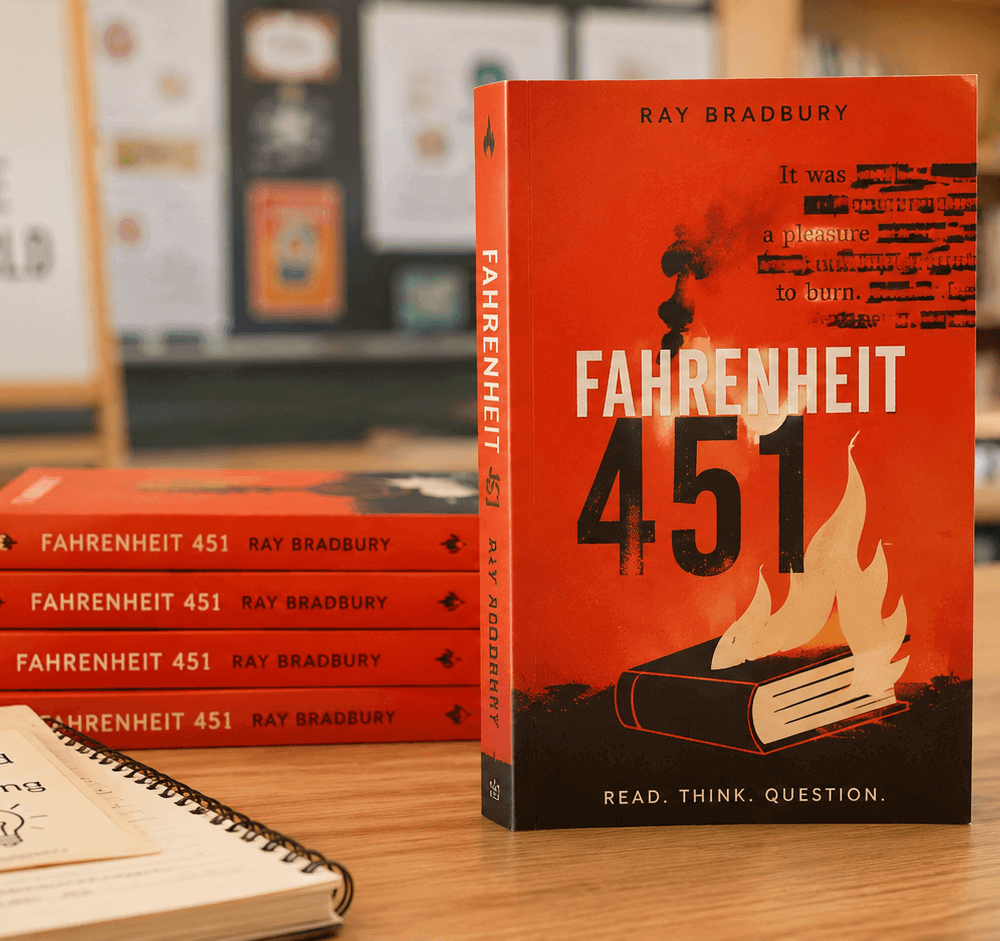
Fahrenheit 451 Characters: A Teacher’s Breakdown You Can Use Tomorrow
TL;DRQuick answer: Fahrenheit 451 follows Guy Montag, a fireman who burns books and slowly turns against it. The other major characters each push Montag toward books and awakening or back toward numbness. The list below breaks down all six and shows you how to teach them.In this ... READ the POST

How to Teach Essay Writing When Every Student Has AI in Their Pocket
TL;DRBanning AI does not work. Catching students does not scale. The fix is to redesign your essay units so student thinking has to happen in front of you. Move drafts into class. Build prompts around specific classroom moments AI cannot access. Grade the process, not just the final draft. Teach ... READ the POST

How to Analyze a Story: A Teacher’s Guide That Actually Works in Class
TL;DR To analyze a story with your students, teach them to look at five things: plot, character, setting, point of view, and theme. Have them read the story once. Then reread with a focus. Ask them to notice patterns. Then ask why the author made that choice. The answer to “why” is the ... READ the POST

Character Traits: A Teacher’s Guide With Lists, Examples, and Classroom Activities
In this guide Character Traits vs. Personality Traits vs. Physical Traits Positive Character Traits List Negative Character Traits List Neutral Character Traits How Character Traits Drive a Story Character Traits in Literature How to Identify Character Traits ... READ the POST